
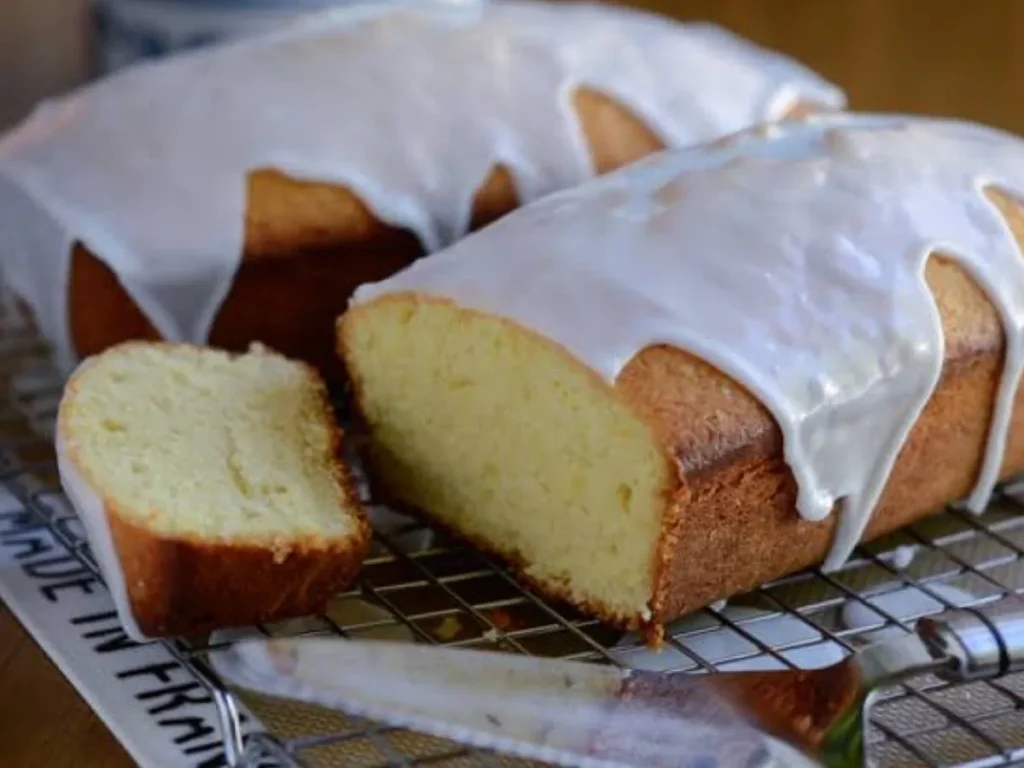
My neighbor dropped off a bag of lemons last spring and I stood in the kitchen wondering what to do with all of them. A loaf cake was the easy answer. One bowl for the batter, one small bowl for the glaze, and no frosting skills required.
This version leans on sour cream for the crumb. It keeps the cake soft for days and adds a slight tang that balances the sugar. You'll use the zest and the juice, so pick lemons that feel heavy for their size. They give up more juice that way.
The icing is the part people remember. It's thick, it sets, and it stays where you put it. Mix it stiffer than you think you need and it'll dry to a glossy shell instead of disappearing into the cake.
Tips & Tricks
- Zest the lemons onto a plate before juicing, then measure what you need. Two or three lemons usually cover both the cake and the icing.
- Scrape the bowl down between egg additions. Butter likes to hide in the bottom corner and it won't mix in later.
- Add the flour mixture and the sour cream mixture in turns, starting and finishing with flour. This keeps the batter from splitting.
- Stop mixing the moment the last streak of flour disappears. Extra beating makes the loaf tough.
- A toothpick from the center should come out with a crumb or two, not wet batter. Start checking at 50 minutes.
- Let the cake sit in the pan until it's completely cool, about an hour. Warm cake melts the icing straight through.
Step-by-Step Instructions
1. Heat the oven and prep the pan
Set a rack in the middle of the oven and heat it to 350°F (180°C). Spray a 9×5-inch loaf pan, then line it with parchment so the ends hang over the sides. The overhang gives you handles later.
2. Cream the butter and sugar
Beat the soft butter with the sugar using an electric hand mixer for 3 to 4 minutes. It should look pale and airy, and feel lighter on the beaters. If it still looks grainy, give it another minute.
3. Beat in the eggs
Crack in the eggs one at a time, mixing after each. Scrape the sides of the bowl between additions so nothing gets left behind.
4. Mix the lemony wet ingredients
In a medium bowl, stir the sour cream, lemon juice, zest and vanilla until smooth. It'll smell strong at this point. That's right.
5. Whisk the dry ingredients
In another bowl, whisk the flour, baking powder and salt together. A whisk does this faster than a spoon and breaks up any lumps.
6. Combine everything
Add the flour mixture and the sour cream mixture to the butter in three rounds, starting and finishing with flour. Beat on low after each addition, just until you can't see dry flour.
7. Bake the loaf
Scrape the batter into the pan and level the surface with a spatula. Bake 50 to 60 minutes, until a toothpick in the center comes out clean. Check at 50 and go from there.
8. Cool it in the pan
Set the pan on a rack and leave the cake alone until it's fully cool, roughly an hour. Skip this and the glaze will slide off.
9. Whisk the lemon icing
Sift the powdered sugar into a bowl. Add the lemon juice and milk, then whisk until it's smooth and thick enough to coat the back of a spoon.
10. Glaze the cake
Pour the icing over the cooled loaf and spread it to the edges with the back of a spoon. Let it sit about 30 minutes, until it feels dry to the touch.
11. Lift, slice and serve
Use the parchment overhang to lift the cake onto a platter. Slice with a sharp knife and wipe the blade between cuts for cleaner pieces.
Variations
Lemon poppy seed
Stir 2 tablespoons of poppy seeds into the dry ingredients for a bit of crunch.
Lemon blueberry
Toss 1 cup of blueberries in a spoonful of flour and fold them in last. Expect a few extra minutes in the oven.
Lime version
Swap the lemon zest and juice for lime. The icing turns a pale green and tastes sharper.
Extra-thick icing
Use 2 1/4 cups powdered sugar and keep the liquid the same. It spreads like a paste and sets hard.
Loaf to muffins
Divide the batter into a lined muffin tin and bake about 20 to 25 minutes at the same temperature.
How to Store Lemon Loaf Cake
Refrigerator
Keep the glazed loaf in an airtight container at room temperature for up to 3 days. In warm, humid weather, move it to the fridge and let slices come to room temperature before eating.
Freezer
Freeze slices wrapped tightly in plastic, then in a bag, for up to 2 months. Freeze the loaf whole if you have the room, but glaze it after thawing for the best finish.
Reheating
A slice in the microwave for 10 to 15 seconds brings back the soft crumb. Don't go longer or the icing turns to liquid.
Frequently Asked Questions
Q: Why did my lemon loaf cake come out dry?
Usually it's too much flour or too long in the oven. Spoon flour into the measuring cup and level it, and pull the loaf as soon as a toothpick comes out clean rather than waiting for the full 60 minutes.
Q: Can I make this without sour cream?
Yes. Plain whole-milk yogurt works cup for cup. The texture will be a touch lighter but still moist.
Q: How do I keep the icing from soaking into the cake?
Wait until the cake is completely cool, then make the icing thick enough that it mounds slightly on a spoon. A thin glaze on a warm cake sinks in every time.
Q: Can I use a different pan size?
This batter is built for a 9×5-inch loaf pan. A larger pan gives a flatter cake that bakes faster, so start checking around 40 minutes.
Q: How do I know the cake is done without a toothpick?
Press the center gently with a fingertip. It should spring back and feel firm, not spongy. The edges will also pull slightly away from the pan.
Q: Does the cake need to be refrigerated?
Not for the first few days if your kitchen is cool. After that, or in hot weather, the fridge keeps it fresher. Serve it at room temperature for the best flavor.

Lemon Loaf Cake With Sour Cream and Lemon Glaze
A tender lemon loaf cake made with sour cream, fresh zest and juice, then finished with a thick lemon icing that sets on top instead of soaking in.
Ingredients
Instructions
- 1Heat the oven and prep the pan — Set a rack in the middle of the oven and heat it to 350°F (180°C). Spray a 9×5-inch loaf pan, then line it with parchment so the ends hang over the sides. The overhang gives you handles later.
- 2Cream the butter and sugar — Beat the soft butter with the sugar using an electric hand mixer for 3 to 4 minutes. It should look pale and airy, and feel lighter on the beaters. If it still looks grainy, give it another minute.
- 3Beat in the eggs — Crack in the eggs one at a time, mixing after each. Scrape the sides of the bowl between additions so nothing gets left behind.
- 4Mix the lemony wet ingredients — In a medium bowl, stir the sour cream, lemon juice, zest and vanilla until smooth. It'll smell strong at this point. That's right.
- 5Whisk the dry ingredients — In another bowl, whisk the flour, baking powder and salt together. A whisk does this faster than a spoon and breaks up any lumps.
- 6Combine everything — Add the flour mixture and the sour cream mixture to the butter in three rounds, starting and finishing with flour. Beat on low after each addition, just until you can't see dry flour.
- 7Bake the loaf — Scrape the batter into the pan and level the surface with a spatula. Bake 50 to 60 minutes, until a toothpick in the center comes out clean. Check at 50 and go from there.
- 8Cool it in the pan — Set the pan on a rack and leave the cake alone until it's fully cool, roughly an hour. Skip this and the glaze will slide off.
- 9Whisk the lemon icing — Sift the powdered sugar into a bowl. Add the lemon juice and milk, then whisk until it's smooth and thick enough to coat the back of a spoon.
- 10Glaze the cake — Pour the icing over the cooled loaf and spread it to the edges with the back of a spoon. Let it sit about 30 minutes, until it feels dry to the touch.
- 11Lift, slice and serve — Use the parchment overhang to lift the cake onto a platter. Slice with a sharp knife and wipe the blade between cuts for cleaner pieces.

Priya writes about eggs and breakfast casseroles, cookies and bars, and slow cook breakfasts that feed a crowd without fuss. Her angle is flexible, budget-minded cooking: one base recipe that scales for two or for a holiday table, with clear notes on freezing and reheating. She keeps the writing light and story-first, then lands on a tight recipe card.

Questions or cooking notes?
Ask about an ingredient or share a tip that could help someone else.