Steak Recipes
Pan-Seared Sirloin Steak is a quick, flavorful dinner. Achieve a perfect crust and juicy interior with simple steps and minimal ingredients.
Searing a steak creates a deep brown crust. This crust locks in juices and builds flavor. It is a fundamental cooking method for good steak.
You only need a few basic ingredients. High heat and proper timing are more important. This approach delivers a tender, flavorful steak with minimal effort.
Why You'll Love This Recipe
About the Ingredients
1.5 pounds (680g) sirloin steak, 1-inch thick
Choose a steak that is at least 1-inch thick for best results. Ribeye or New York strip also work well here.
1 tablespoon neutral oil
Use an oil with a high smoke point, like grapeseed, canola, or avocado oil. Olive oil burns too easily.
2 tablespoons (28g) unsalted butter
Unsalted butter allows you to control the salt content. Salted butter can be used, but adjust added salt.
1 teaspoon kosher salt
Kosher salt has a larger flake and seasons meat evenly. Fine sea salt can be used, but use about half the amount.
0.5 teaspoon freshly ground black pepper
Freshly ground pepper offers more flavor than pre-ground. Use a pepper mill if you have one.
Step-by-Step Instructions
1. Prep the Steak
Pat the sirloin steaks completely dry with paper towels. Season both sides generously with kosher salt and black pepper. This prepares the surface for searing.
2. Heat the Pan
Place a heavy-bottomed skillet, like cast iron, over high heat. Add the neutral oil. Heat until it shimmers and just begins to smoke lightly, about 2-3 minutes. The pan must be very hot.
3. Sear First Side
Carefully place the seasoned steak into the hot pan. Do not move it. Sear for 3-4 minutes until a deep brown crust forms. This crust is key to flavor.
4. Flip and Finish
Flip the steak. Add the butter to the pan. Cook for another 3-4 minutes, spooning the melted butter over the steak as it cooks. This adds richness and helps cook the top surface.
5. Check Doneness
Use an instant-read thermometer. For medium-rare, the internal temperature should reach 130-135°F (54-57°C). Adjust cooking time for your desired doneness.
6. Rest the Steak
Remove the steak from the pan and place it on a cutting board. Let it rest for 5-10 minutes. This allows the juices to redistribute, making the steak tender and moist.
7. Slice and Serve
Slice the steak against the grain into thick pieces. Serve immediately. Cutting against the grain shortens muscle fibers, ensuring tenderness.
Pro Tips
How to Store Steak Recipes
Refrigerator
Store leftover steak in an airtight container in the refrigerator for up to 3 days. Make sure it is completely cooled before storing.
Freezer
Wrap individual slices or whole steak tightly in plastic wrap, then foil. Freeze for up to 2 months. Thaw in the refrigerator overnight before reheating.
Reheating
Gently reheat leftover steak in a warm oven (275°F / 135°C) for 10-15 minutes until just warm, or slice thin and warm quickly in a hot skillet for a minute or two.
Delicious Variations
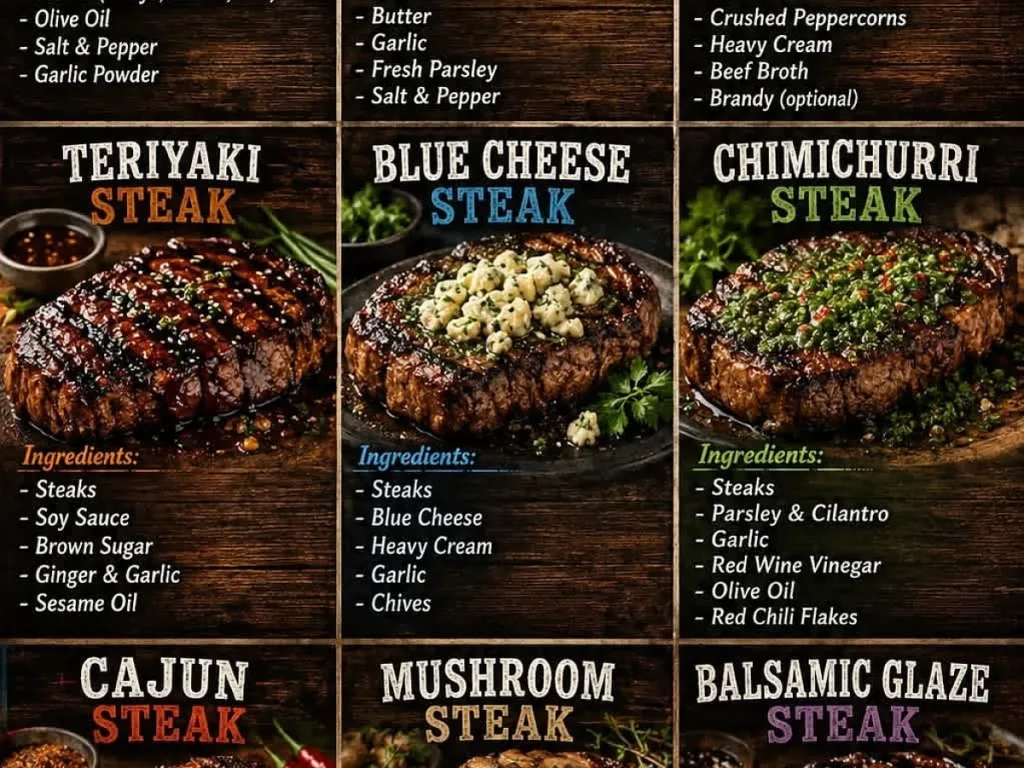
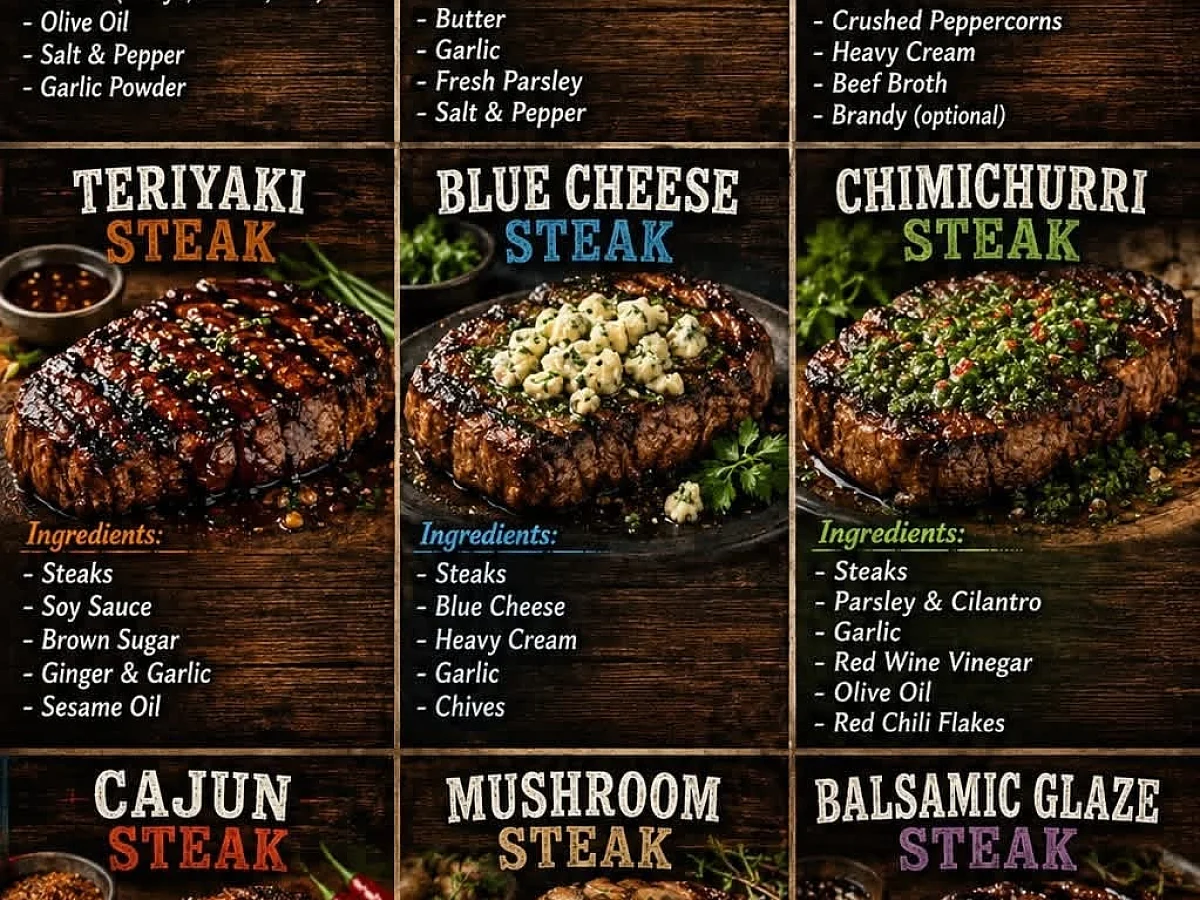
Garlic Herb Butter
Add 2 smashed garlic cloves and a sprig of fresh rosemary or thyme to the butter while basting. This infuses the steak with aromatic flavors.
Spicy Rub
Before searing, rub the steak with a pinch of cayenne pepper or chili powder along with the salt and pepper. This adds a subtle kick.
Mushroom Pan Sauce
After removing the steak, add sliced mushrooms to the pan. Sauté until browned, then deglaze with a splash of beef broth or red wine. Simmer until slightly thickened.
Frequently Asked Questions
Q: What is the best cut of steak for searing?
Ribeye, New York strip, and sirloin are excellent choices for searing. They have good marbling and a balanced texture that stands up well to high heat.
Q: How do I get a good crust on my steak?
Achieving a good crust requires a very hot pan and a dry steak. Ensure your skillet is smoking hot before adding the steak, and pat the meat completely dry with paper towels.
Q: How long should I rest my steak?
Rest your steak for at least 5 to 10 minutes after cooking. This allows the internal juices, which have migrated to the center during cooking, to redistribute throughout the meat, resulting in a more tender and juicy bite.
Q: Can I cook frozen steak?
You can cook a frozen steak directly from the freezer, but the cooking time will be longer and the crust may not be as even. Thawing it first in the refrigerator is generally recommended for best results.
Master this simple method. You'll cook great steak every time. Keep it simple, James.
Steak Recipes
Pan-Seared Sirloin Steak is a quick, flavorful dinner. Achieve a perfect crust and juicy interior with simple steps and minimal ingredients.
🧂 Ingredients
- 1.5 pounds (680g) sirloin steak, 1-inch thick
- 1 tablespoon neutral oil
- 2 tablespoons (28g) unsalted butter
- 1 teaspoon kosher salt
- 0.5 teaspoon freshly ground black pepper
📋 Instructions
- 1Prep the Steak — Pat the sirloin steaks completely dry with paper towels. Season both sides generously with kosher salt and black pepper. This prepares the surface for searing.
- 2Heat the Pan — Place a heavy-bottomed skillet, like cast iron, over high heat. Add the neutral oil. Heat until it shimmers and just begins to smoke lightly, about 2-3 minutes. The pan must be very hot.
- 3Sear First Side — Carefully place the seasoned steak into the hot pan. Do not move it. Sear for 3-4 minutes until a deep brown crust forms. This crust is key to flavor.
- 4Flip and Finish — Flip the steak. Add the butter to the pan. Cook for another 3-4 minutes, spooning the melted butter over the steak as it cooks. This adds richness and helps cook the top surface.
- 5Check Doneness — Use an instant-read thermometer. For medium-rare, the internal temperature should reach 130-135°F (54-57°C). Adjust cooking time for your desired doneness.
- 6Rest the Steak — Remove the steak from the pan and place it on a cutting board. Let it rest for 5-10 minutes. This allows the juices to redistribute, making the steak tender and moist.
- 7Slice and Serve — Slice the steak against the grain into thick pieces. Serve immediately. Cutting against the grain shortens muscle fibers, ensuring tenderness.